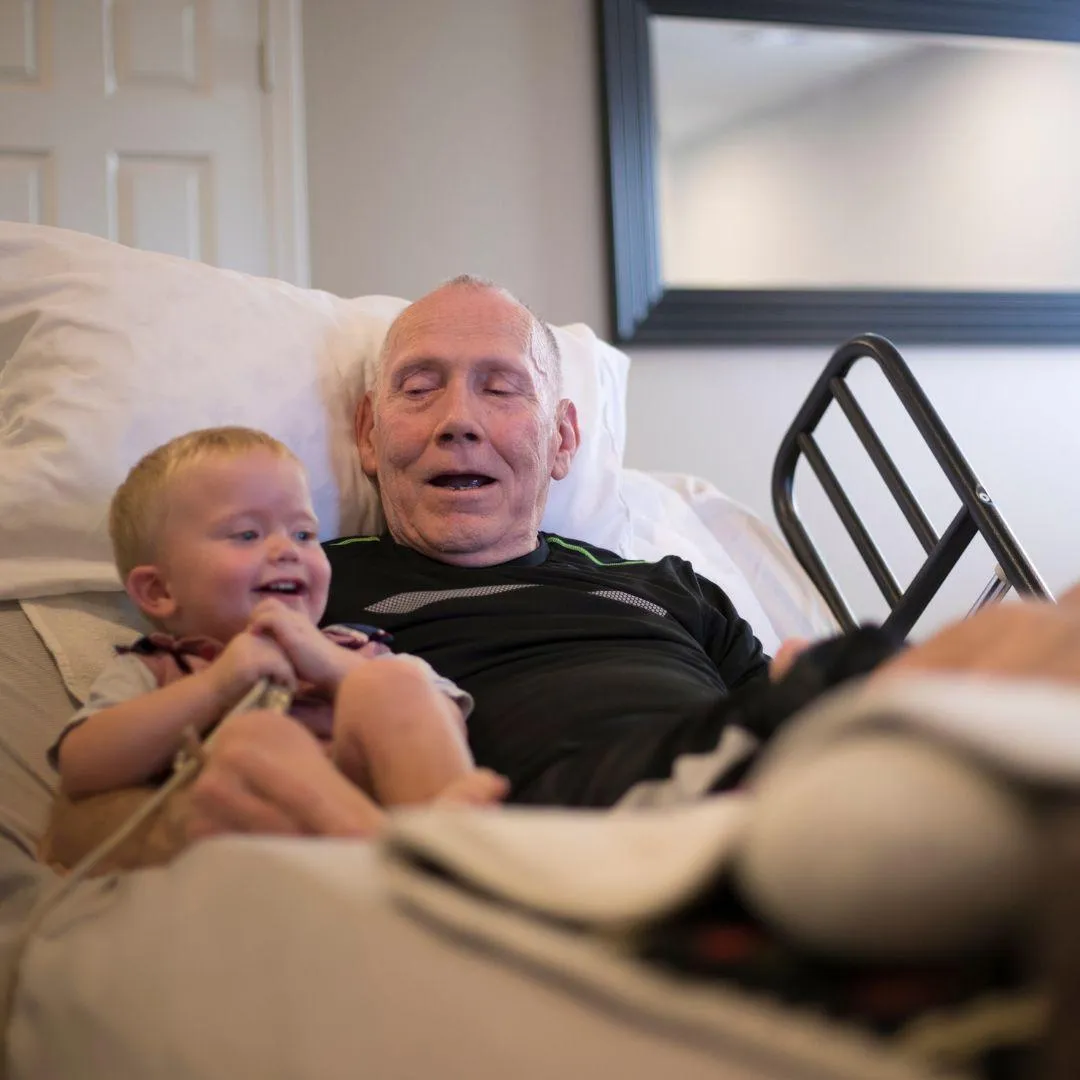
Advantages of Voice Cloning in Hospice Settings
Advantages of Voice Cloning in Hospice Settings
Hospice care exists in one of the most sacred spaces humans ever occupy — the space between holding on and letting go. It is a time defined not by urgency, but by presence. Not by fixing, but by honoring. Families and caregivers move slowly here, listening closely, savoring moments that feel suddenly precious.
In these settings, words matter more. Voices matter more. Memory matters more.
Voice cloning technology, when used ethically and compassionately, has begun to play a meaningful role in hospice care — not as a replacement for human connection, but as a way to preserve it. Through carefully prepared AI memorial services, families are finding comfort, reassurance, and a deeper sense of continuity during one of life’s most tender transitions.
This is not about prolonging life digitally.
It’s about preserving presence emotionally.
Why Voice Matters So Deeply at the End of Life
When someone enters hospice, families often realize with painful clarity that time is limited. They listen more closely to the sound of laughter. They hold onto voicemails. They replay old recordings. A loved one’s voice becomes an anchor — a familiar cadence that feels grounding when everything else feels uncertain.
Voice carries far more than words. It carries:
Tone and warmth
Personality and humor
Reassurance and love
A sense of “them” that photos alone can’t capture
Voice cloning for hospice care, when guided by respect and consent, allows families to preserve that presence in a way that feels deeply human.

Offering Comfort Before Loss, Not Just After
One of the most profound advantages of voice cloning in hospice settings is timing. Traditional memorials begin after death. Voice-based memorial preparation can begin while the loved one is still present, allowing families to participate actively in preserving memory.
For many families, this process itself becomes healing.
They sit together.
They reflect on stories.
They choose words that matter.
This shared act often opens meaningful conversations that might otherwise feel too difficult to begin.
ReLiveable approaches this process with care, ensuring families feel supported rather than rushed. Their work in hospice-aligned memorial care is reflected in how they serve both families and care partners:
https://reliveable.ai/who-we-serve/funeral-homes-hospices
Supporting Families Emotionally During Anticipatory Grief
Hospice families experience a unique kind of grief — anticipatory grief. They are mourning someone who is still physically present, while simultaneously preparing for absence.
Voice cloning technology, when framed as a legacy-preserving experience, can help families feel less powerless during this time.
Instead of only waiting for the inevitable, families are given something meaningful to do:
Preserve a voice they love
Capture expressions or phrases unique to their loved one
Create something lasting that will remain
This sense of participation often reduces feelings of helplessness and regret.

Preserving Identity When Physical Presence Changes
As illness progresses, voices often change. Strength fades. Speech becomes quieter or more labored. Families sometimes fear they will forget how their loved one used to sound.
Voice cloning allows families to preserve a version of their loved one’s voice that reflects their familiar presence — the tone they remember from phone calls, laughter, or bedtime conversations.
This is especially meaningful for:
Young children who may later struggle to remember
Spouses facing long-term grief
Families spread across distances
ReLiveable’s Legacy Voice Messages provide families with a way to preserve that identity respectfully and gently:
https://reliveable.ai/reconnections/legacy-voice-messages
Creating Moments of Reconnection During Hospice Care
One misconception about voice-based memorials is that they are only intended for after death. In hospice settings, families often experience meaningful moments of reconnection while their loved one is still alive.
Listening together.
Sharing memories prompted by voice.
Feeling a sense of continuity instead of abrupt separation.
These moments don’t replace bedside conversations — they enhance them.

Supporting Hospice Staff and Care Teams
Hospice professionals witness deep emotional moments every day. Their role is not only medical but profoundly human. Tools that support families emotionally — without adding burden to staff — are invaluable.
Voice cloning memorial services prepared externally, like those offered by ReLiveable, allow hospice teams to:
Offer families an additional layer of support
Provide resources without managing technical details
Enhance holistic care without expanding workload
This alignment with hospice values makes voice cloning a natural complement rather than an intrusion.
Honoring Cultural and Spiritual Traditions
End-of-life rituals vary widely across cultures, faiths, and belief systems. Voice cloning technology is uniquely adaptable because it does not impose a format — it preserves what already exists.
Families can choose to preserve:
Spiritual reflections
Blessings or prayers
Stories passed down generations
Expressions of love unique to their culture
Because ReLiveable centers its work on honoring memory rather than creating scripted interactions, the experience remains respectful across traditions.

Helping Families Prepare for Life After Loss
One of the hardest transitions families face is the sudden silence that follows loss. Voice cloning memorials provide a gentle buffer — not preventing grief, but softening its sharpest edges.
Families often describe these preserved voices as:
A source of reassurance
A grounding presence during difficult moments
Something they return to when missing becomes overwhelming
This aligns with ReLiveable’s broader mission of memorial reconnection and grief support:
https://reliveable.ai/who-we-serve/families-individuals
Creating Ethical, Consent-Driven Memorial Experiences
Ethics matter deeply in hospice care. Voice cloning must always be approached with transparency, consent, and emotional sensitivity.
ReLiveable places strong emphasis on:
Clear family understanding
Respect for the individual’s memory
Gentle preparation processes
Avoidance of anything that feels performative or artificial
Families are never rushed. Participation is always optional. The goal is comfort, not creation for its own sake.
This ethical foundation is central to ReLiveable’s identity:
https://reliveable.ai/about-reliveable
Long-Term Value for Families and Care Networks
The advantages of voice cloning in hospice care don’t end when hospice services conclude. Families carry these preserved voices forward — into anniversaries, milestones, and moments when guidance or comfort is needed most.
For care networks — including hospice providers, funeral homes, and grief counselors — this creates continuity of care that extends far beyond immediate services.
Voice cloning becomes part of a broader ecosystem of support, not an isolated offering.

A Gentle Evolution in End-of-Life Care
Hospice care has always evolved — from pain management advances to holistic emotional support. Voice cloning technology represents another thoughtful evolution when used responsibly.
It does not rush grief.
It does not replace presence.
It does not diminish the sacredness of goodbye.
Instead, it offers families something enduring: a voice that continues to remind them they were loved.
Those interested in how these memorial experiences are introduced and prepared can explore:
https://reliveable.ai/getting-started-ai-memorial-services
Supporting Families Through Presence, Not Just Care
Hospice care is about honoring life, even as it draws to a close. Voice cloning memorial services offer families a way to preserve presence, share memory, and feel supported during one of life’s most profound transitions.
If you work with hospice families or support end-of-life care, ReLiveable is honored to collaborate in offering memorial experiences rooted in dignity, compassion, and respect.
Learn how to begin or explore options here:
https://reliveable.ai/getting-started-ai-memorial-services
https://reliveable.ai/pricing
Together, we can help families carry love forward — gently, thoughtfully, and with care.
