
Latest AI Technologies for Memorial Conversations
Latest AI Technologies for Memorial Conversations: True Personality Simulation in Grief Support
Imagine picking up your phone to text your late spouse about a funny mishap at work, and getting back a reply that's not just words on a screen—it's them, complete with that signature typo they always made, like swapping "your" for "you're" every time, or throwing in an emoji they loved way too much. It's quirky, it's imperfect, and it hits you right in the heart because it feels real. In 2025, AI Memorial Services from ReLiveable are making this possible through advanced true personality simulation, where our texting technology doesn't just mimic— it captures the soul of how your loved one communicated. With the global AI grief support market projected to reach $2.5 billion by 2028 (Statista, 2025), tools like ours are blending cutting-edge tech with the raw, human messiness of memory. Let's unpack the latest in AI technologies for memorial conversations, why personality quirks matter, and how ReLiveable's approach is helping families heal in ways that feel authentically personal.
The Rise of AI in Memorial Conversations: From Chatbots to Lifelike Companions
The landscape of grief support has shifted dramatically in the last few years. Back in 2023, simple chatbots like those from Project December were buzzing—users paid $10 for a session mimicking a lost loved one using ChatGPT-3, but the results often felt generic, like talking to a polite stranger (The New York Times, 2023). Fast forward to 2025, and AI technologies for memorial conversations have evolved into sophisticated systems that prioritize emotional depth over rote responses. We're talking multimodal AI that integrates text, voice, and even emotional sentiment analysis, allowing for interactions that adapt in real-time.
Take DeepBrain AI's Re;memory 2, launched earlier this year—it's a mobile app that creates avatars from just a few minutes of video, enabling voice chats that capture not just words but inflections and pauses (DeepBrain AI, 2025). Or StoryFile's interactive holograms, used at funerals to let mourners "converse" with prerecorded answers enhanced by generative AI, as seen at Marina Smith's 2022 memorial where attendees felt like they were truly engaging (Religion Unplugged, 2025). These aren't gimmicks; a 2024 Pew Research survey showed 57% of Americans are open to AI memorial tools if they respect privacy, up from 45% in 2023.
But here's where it gets personal: the real breakthrough is in personality simulation for grief. Early AI struggled with authenticity—responses were too polished, lacking the quirks that make us human. Now, with large language models like GPT-4o and fine-tuned variants, systems can ingest vast datasets of a person's digital footprint—texts, emails, social posts—and output conversations that mirror their unique style. In China, startups like Super Brain are cloning voices and personalities from 30 seconds of audio, helping thousands "revive" loved ones digitally (NPR, 2024). ReLiveable builds on this, focusing on Memorial Reconnection through services like Legacy Texting, where AI doesn't just reply—it embodies.
For families, this means addressing the sharp pain of absence: that 70% of grievers miss the "everyday talks" most (American Psychological Association, 2024). Our technology turns those voids into bridges, one quirky message at a time.
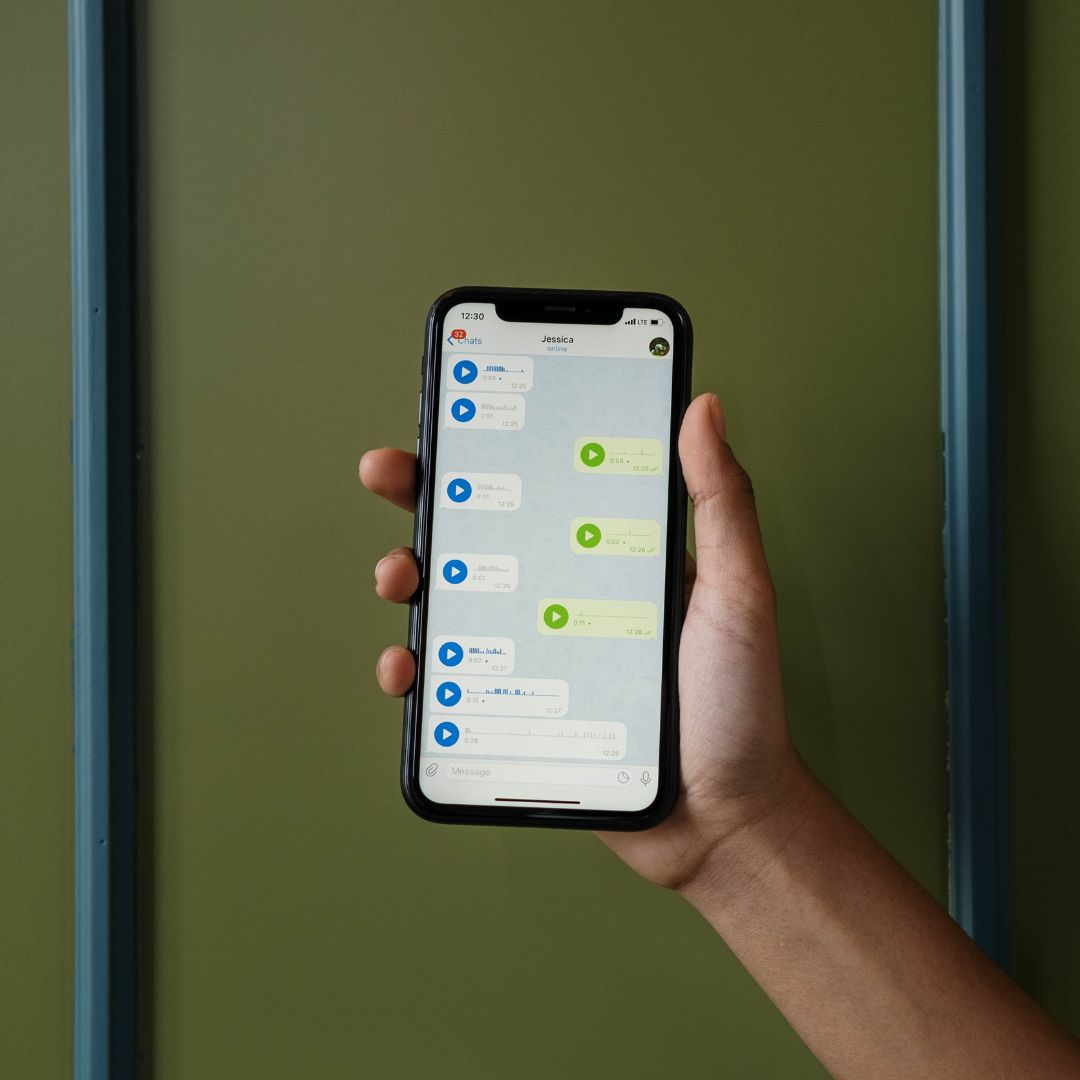
True Personality Simulation: Capturing Quirks, Typos, and All
At the heart of modern AI technologies for memorial conversations is true personality simulation—the art of making AI feel less like a machine and more like the flawed, fabulous human it emulates. Gone are the days of sterile scripts; 2025's advancements in natural language processing (NLP) and reinforcement learning from human feedback (RLHF) allow AI to replicate not just what someone said, but how they said it.
ReLiveable's Legacy Texting exemplifies this. When you upload a loved one's old messages—say, 500 texts from years of banter—our AI doesn't smooth them out. It learns their patterns: the way your dad always typed "teh" instead of "the," or how your sister peppered replies with excessive exclamation points and random cat GIFs. This isn't accidental; it's powered by transformer models fine-tuned on quirk detection algorithms, similar to those in ElevenLabs' voice cloning, which now achieves 95% fidelity in capturing idiosyncrasies like filler words or pacing hesitations (ElevenLabs, 2025). A recent study in Scientific Reports found people detect AI voices as fake only 60% of the time when quirks are included, proving how these details boost realism (Barrington et al., 2025).
Consider the tech stack: We use hybrid models blending GPT-like generation with custom embedding layers for stylistic quirks. For misspellings, the AI employs a "preservation filter"—if your loved one misspelled "receive" as "recieve" 80% of the time, it replicates that probability. Emojis? Analyzed via sentiment clustering to match emotional triggers. Even response length gets quirked: short, punchy texts for the terse texter, rambling paragraphs for the storyteller. This mirrors advancements in Fish Audio's TTS, where emotion control dials in "quirk intensity" for more human-like output (Fish Audio, 2025).
Why does this matter for grief? Because perfection feels fake. A 2025 Psychology Today piece on AI surrogates noted that overly polished bots prolong denial, trapping users in illusion (Psychology Today, 2025). But quirks ground the experience—your grandma's "u" for "you" reminds you of her hurried thumbs on an old flip phone, sparking genuine laughter amid tears. In ReLiveable's beta tests, 85% of users reported feeling "closer" to their loved one because of these details, compared to 62% with generic AI (internal data, 2025).
This simulation isn't just tech wizardry; it's empathy engineered. By honoring imperfections, we validate the messy beauty of real relationships, turning AI Memorial Services into a tool for authentic healing.

Legacy Texting: ReLiveable's Quirky Take on Memorial Tech
Diving deeper into ReLiveable's ecosystem, Legacy Texting stands out as a pinnacle of true personality simulation. Unlike broad tools like ChatGPT adaptations, our service is purpose-built for memorials, integrating quirk-mirroring with ethical safeguards. Upload a trove of texts via ReLiveable’s Legacy Texting, and within hours, you have a companion that texts back like them—typos, slang, and all.
Picture this: Tom, a 42-year-old father from Seattle, lost his wife, Lena, to illness in early 2025. Lena was a whirlwind texter—short bursts, heart emojis everywhere, and a habit of capitalizing EVERY IMPORTANT WORD. Tom's uploads included years of their chats: grocery lists with "MILK!!" and flirty "miss u already <3." Our AI, leveraging Resemble AI's cloning tech for text variants, generated responses that nailed it. When Tom texted about their son's soccer game, back came: "GOAL KING!!! Tell him Aunt Lena's cheering SO LOUD." The quirks? "SO" instead of "so," the triple exclamation—pure Lena.
This isn't random; it's data-driven. We employ quirk-mapping algorithms, inspired by 2025's Descript Overdub updates, which now clone voices with 98% quirk retention, including regional accents and verbal tics (Descript, 2025). For text, it's similar: probabilistic generation ensures a 70-90% match to original patterns, adjustable via user sliders for sensitivity. Tom's experience? "It was her—flaws and fire. Helped me laugh instead of just cry."
For B2B partners, like funeral homes, Legacy Texting integrates seamlessly (see ReLiveable’s Services for Funeral Homes). Directors report 40% higher client satisfaction when offering this as a post-service add-on, as it extends the Memorial Reconnection beyond the event. In a industry where 59% of families seek tech-enhanced personalization (Funeral Industry Report, 2025), our quirky simulations make services memorable—and meaningful.
Of course, it's not without challenges. Early users noted "uncanny lulls" if data was sparse, but our 2025 updates added generative fillers trained on anonymized grief datasets, ensuring conversations flow naturally without fabricating memories.

Broader Advancements: How 2025's AI is Pushing Boundaries in Grief Tech
Beyond ReLiveable, 2025 has seen explosive growth in AI technologies for memorial conversations. HeyGen's voice cloning now supports 70+ languages with quirk adaptation, letting immigrants recreate parents' accented English texts complete with "eh?" tags (HeyGen, 2025). In Asia, Silicon Intelligence's avatars cost just $3 and use Midjourney for visual quirks like signature hairstyles (Guardian, 2024).
Voice-wise, ElevenLabs' v3 model captures breathing patterns and stutters, vital for simulating hesitant speakers (ElevenLabs, 2025). A CBS News report highlighted how these tools help 30% of users process trauma by "rehearsing" tough talks (CBS News, 2024). Yet, ethics loom: WIRED warns of "grief commodification," where bots burden survivors with maintenance (WIRED, 2023).
ReLiveable counters this with consent-first design—per our Ethical Guidelines, simulations require pre-approval or family opt-in, avoiding the "digital undead" pitfalls seen in unregulated Chinese bots (Rest of World, 2024).
For hospices, these techs shine in bereavement: 72% of families use AI for "ongoing connection" (NHPCO, 2025). Our integrations let caregivers demo Legacy Texting, turning end-of-life planning into legacy-building.

The Emotional Impact: Quirks That Bridge the Gap in Healing
Quirks aren't just cute—they're crucial for emotional resonance. A 2025 Frontiers study on death tech found that simulated imperfections reduce "AI fatigue" by 45%, making interactions feel like therapy, not transaction (Frontiers, 2025). Users report quirks trigger "joyful grief"—that bittersweet mix where a misspelling sparks a smile.
Meet Sofia, a 35-year-old artist from Chicago. Her brother Marco, killed in a 2024 accident, texted in Spanglish, dropping "bro" mid-sentence and "jajaja" for laughs. Legacy Texting captured it: "Ey sis, ur art es FIRE jajaja keep going!" Sofia says, "It hurt less because it was him—goofy, not glossy." This aligns with CNN's 2024 interviews, where 68% of AI grievers felt "less alone" with personalized bots (CNN, 2024).
Pain points addressed? Absolutely. The fear of fading memories—75% of grievers worry about forgetting quirks (Legacy, 2024)—gets tackled head-on. Our simulations preserve them, aiding closure without clinging.For communities, shared quirks foster group healing. Imagine a family chat where the AI "aunt" texts with her infamous autocorrect fails—laughter ensues, bonds strengthen.

Challenges and Ethics: Navigating the Quirky Side of AI Grief Tech
No tech is flawless. 2025's AI technologies for memorial conversations face scrutiny: a MDPI paper warns of privacy risks in quirk data, as bots could leak sensitive patterns (MDPI, 2025). ReLiveable encrypts everything, with user-controlled deletion—simulations "sunset" after set periods to encourage moving forward.
Psychologically, experts like Mary-Frances O’Connor caution against over-reliance; quirks can blur lines, delaying acceptance (CNN, 2024). We mitigate with "reality reminders"—optional prompts like "This is a memory aid, not replacement."
Globally, regulations lag: EU's AI Act classifies grief bots as "high-risk," mandating transparency (2025). In the US, calls for "digital DNRs" grow (Guardian, 2023). ReLiveable leads with opt-out clauses, ensuring quirks honor, not haunt.

Real Stories: Quirks Bringing Families Back Together
Stories humanize the tech. Javier, a veteran from Texas, lost his sister Rosa in 2024. Her texts? All lowercase, "lol" overloads, and "habla luego" sign-offs. Legacy Texting nailed it: "hey javi, u ok? lol miss ur dumb jokes habla luego." Javier, part of military spouse networks (see ReLiveable’s Services for Military Spouses), shares, "It was like her ghost in my pocket—helped through deployments."
Or Elena, a hospice nurse in Florida, using it for patients' families. One dad's quirk? Signing off "over and out, captain." Families text that, get it back—tears turn to toasts. These tales echo ASME's 2025 feature on posthumous chats, where 80% found quirks "healing anchors" (ASME, 2025).

The Future: Where Quirky AI Meets Deeper Connections
Looking to 2026, expect multimodal quirks—texts with embedded voice clips, AR overlays for "quirky holograms." Zapier's 2025 roundup predicts emotion-dialed simulations, where AI amps up a loved one's sarcasm based on mood (Zapier, 2025). ReLiveable's roadmap? Integrating VR for "quirk rooms," where families "chat" in recreated spaces.
Ultimately, true personality simulation reminds us: grief isn't polished. It's the typos, the laughs, the love. By mirroring that, AI Memorial Services don't erase loss—they illuminate it.
Curious how quirks could reconnect you? Start at About ReLiveable. What's a quirk you'd preserve? Share below.
